

Why Visibility Is Power on the Internet
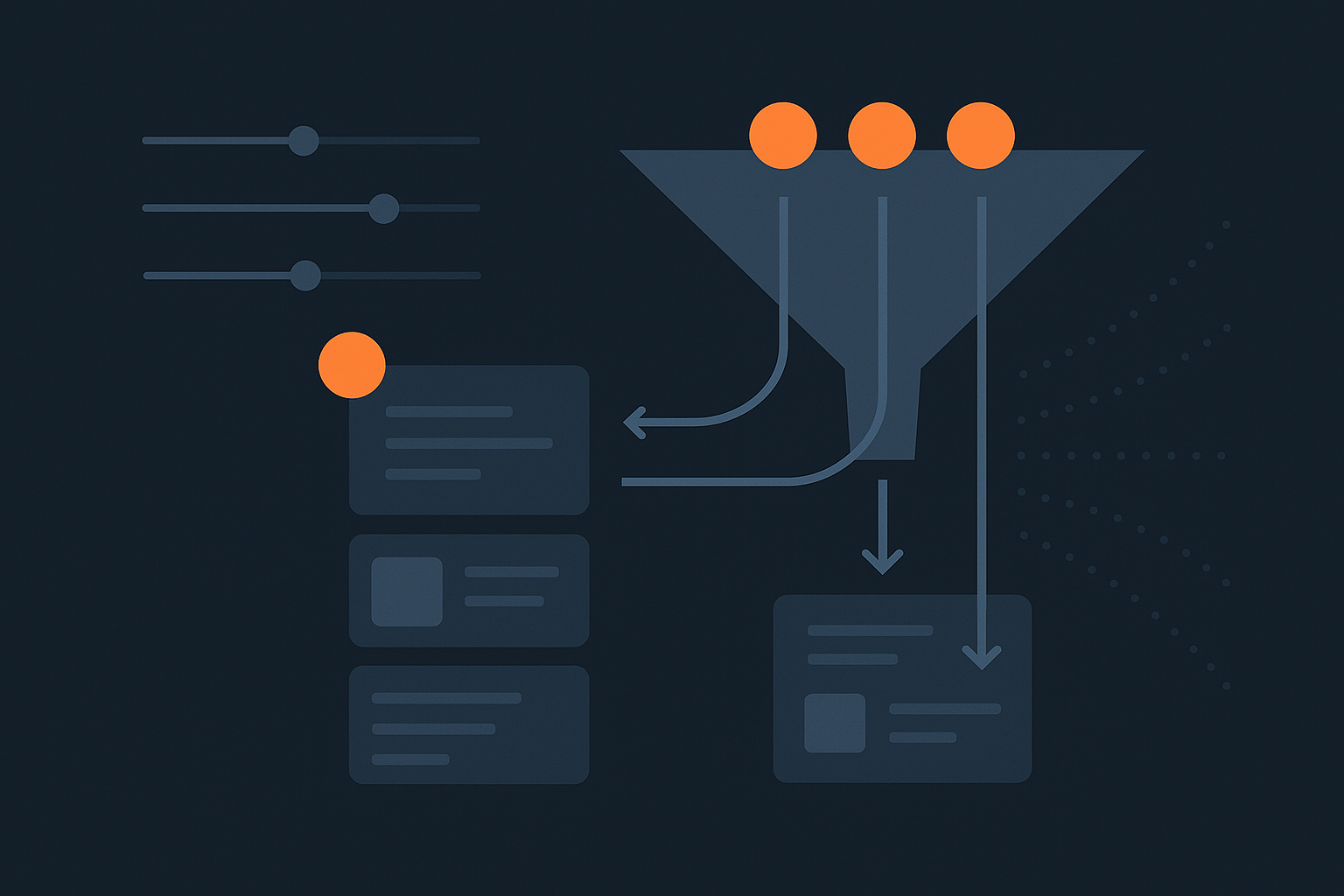
How ranking systems and defaults shape what we notice online
Introduction
On the internet, almost nothing is truly hidden.
Articles, videos, posts, and ideas can exist for years, stored on servers and technically accessible to anyone who knows where to look. Yet most of this content might as well not exist at all.
What matters online is not what exists, but what is seen.
Visibility — what appears first, what is repeated, what feels present — is the real source of power in digital systems. And that power does not usually operate through censorship or control, but through ranking, defaults, and attention.
This article explains why visibility matters more than availability, how online systems quietly shape what people notice, and why this influence is often invisible even to those affected by it.
Visibility Is Not the Same as Availability
A common assumption about the internet is that access equals exposure.
If something is online, the thinking goes, anyone can find it. In practice, this is rarely true.
Online environments contain far more content than any individual can navigate intentionally. Discovery happens through shortcuts:
- search results
- feeds
- recommendations
- trending lists
- default views
Content that appears in these spaces is visible. Content that does not is technically present, but functionally absent.
The difference is critical.
Two ideas can be equally available and radically unequal in influence simply because one is surfaced and the other is not.
How Ranking Turns Attention Into Power
Ranking systems exist to solve a practical problem: overload.
When thousands or millions of items compete for attention, systems must decide:
- what appears first
- what appears later
- what is never shown at all
These decisions shape behavior.
Most users do not scroll indefinitely. They focus on what is near the top, what is highlighted, or what appears repeatedly. Over time, ranking becomes a proxy for importance.
Content that ranks higher:
- is seen more
- is shared more
- feels more relevant
- gains more authority simply through exposure
This does not require persuasion. It relies on visibility.
When systems control ranking, they indirectly control what becomes familiar, discussable, and culturally present.
Defaults Decide What Most People Do
Defaults are one of the most powerful — and least discussed — forces online.
A default is what happens unless someone actively chooses otherwise.
Most users:
- do not change settings
- do not reconfigure feeds
- do not override recommendations
They adapt to what is presented.
If a feed is personalized by default, personalization becomes normal.
If content auto-plays, consumption increases.
If recommendations appear immediately, they guide behavior without resistance.
Defaults are not instructions. They are environments.
And environments shape action far more reliably than rules or messages.
Repetition Creates Importance
Human attention is strongly influenced by repetition.
What appears repeatedly:
- feels more significant
- feels more common
- feels more legitimate
Online systems amplify this effect.
When ranking and recommendation systems repeatedly surface similar content, users begin to associate frequency with importance. This happens even when the system is simply optimizing for engagement or relevance.
Over time, repetition:
- narrows focus
- reinforces themes
- shapes what feels “worth paying attention to”
This is not manipulation. It is a byproduct of how attention works in scaled systems.
Why This Power Is Mostly Invisible
Visibility power is difficult to notice for several reasons.
First, it is automated.
No individual is actively deciding what each user should see.
Second, it is personalized.
People cannot easily compare experiences unless they do so deliberately.
Third, it feels natural.
The content shown often aligns with prior behavior, making the system feel responsive rather than directive.
As a result, influence is experienced as preference.
Users feel they are choosing freely — and in many ways they are — while the structure quietly guides what choices appear available.
Influence Without Intent
One of the most important aspects of visibility power is that it does not require intent.
Systems do not need to “want” an outcome for that outcome to occur.
When a platform optimizes for engagement, it does not need to care which content succeeds — only that something does. The resulting patterns emerge from feedback loops between users and algorithms.
This is why debates about online power often miss the point.
The question is not who controls speech, but who controls visibility.
Why Understanding Visibility Changes the Conversation
When visibility is misunderstood, outcomes are often blamed on individuals:
- creators for producing content
- users for consuming it
- audiences for reacting to it
The system itself disappears from view.
Understanding visibility as infrastructure brings the system back into focus. It allows for clearer analysis, better design discussions, and more realistic expectations about online environments.
Most importantly, it explains why:
- attention feels fragmented
- disagreements escalate
- trends appear suddenly and vanish just as quickly
Visibility, not intention, is often the missing variable.
Conclusion: Attention as Infrastructure
On the internet, attention is not just a personal resource. It is shaped by systems.
Ranking, defaults, and repetition quietly determine what becomes visible, familiar, and influential. This does not make platforms villains — but it does make them powerful.
Understanding visibility as infrastructure helps explain modern online life without reducing it to blame or outrage.
And in complex systems, understanding how attention is shaped is often the first step toward using it more wisely.