

How Defaults Shape Online Behavior
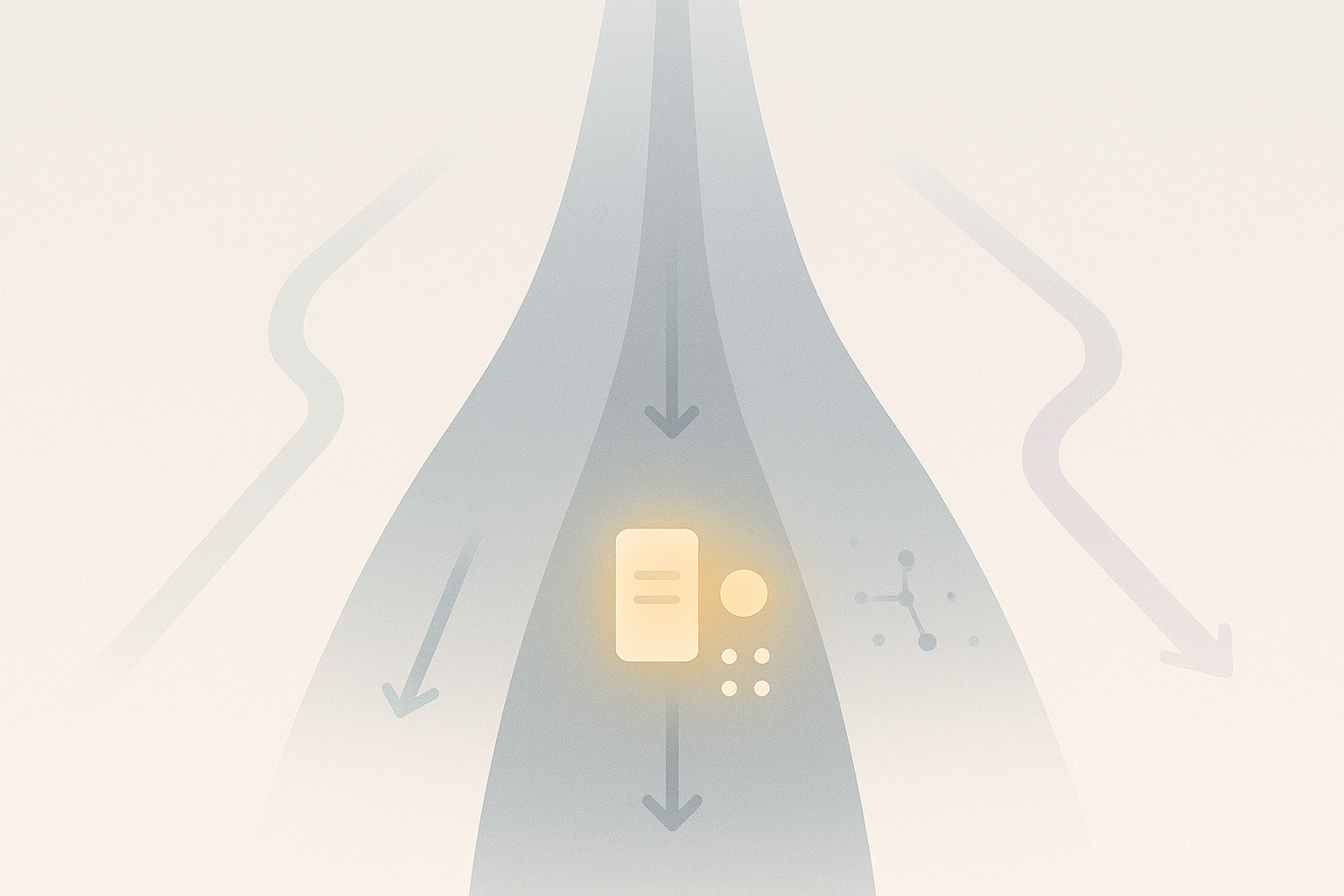
Why most digital choices are made before users even decide
Introduction
When people think about choice online, they usually think about decisions.
What to click.
What to watch.
What to follow.
What to ignore.
But in most digital environments, the most important decisions are made before users act at all.
They are made through defaults.
Defaults are the settings, options, and pathways that are already in place when someone arrives. They determine what happens automatically unless a user actively intervenes. And because most users do not change defaults, these quiet design decisions shape behavior at scale.
This article explains what defaults are, why they are so powerful, and how they quietly guide online behavior without persuasion, pressure, or explicit instruction.
What a “Default” Really Is
A default is not a recommendation.
It is not a rule.
It is not an order.
A default is simply what happens if nothing else is chosen.
Examples are everywhere:
- A feed that loads automatically
- A privacy setting that is pre-enabled
- A notification that is on by default
- A recommendation that appears without being requested
Defaults define the starting point.
They do not remove choice — users can usually opt out, change settings, or choose alternatives. But they establish the baseline experience, and that baseline matters more than most people realize.
In practice, defaults shape what feels normal.
Why Most Users Stick With Defaults
People often assume that if options exist, users will evaluate them carefully.
In reality, most users do not.
This is not a flaw. It is a response to complexity.
Digital environments are dense with decisions. Every extra choice requires attention, effort, and confidence. Defaults reduce that burden by offering a ready-made path forward.
Users stick with defaults because:
- Changing settings takes time
- Alternatives require understanding consequences
- The default often feels “good enough”
- The system is implicitly trusted
Defaults are efficient. And efficiency is persuasive without being forceful.
Defaults Shape Behavior Without Persuasion
One reason defaults are so powerful is that they do not argue.
They do not convince.
They do not explain.
They do not ask.
They simply operate.
If a feed auto-plays content, people watch more.
If notifications are enabled, people respond more quickly.
If recommendations appear immediately, people follow them more often.
No message is required. The behavior emerges from the environment.
This is why defaults are often more influential than explicit prompts or messages. They shape action by shaping context.
Choice Still Exists — But Inside a Frame
It is important to be precise here.
Defaults do not eliminate free choice.
Users can:
- Scroll past content
- Disable features
- Change settings
- Leave platforms entirely
But choices are made within a structure.
Defaults define:
- What is easiest
- What is most visible
- What happens first
- What happens repeatedly
Over time, this framing influences habits.
When the default path aligns with convenience, most people follow it — not because they are manipulated, but because the system lowers resistance in one direction and raises it in others.
Defaults at Scale Have Outsized Effects
A small design choice affects one user slightly.
The same choice affects millions of users profoundly.
This is where defaults become especially important.
When a default is applied at scale:
- Tiny behavioral nudges accumulate
- Patterns stabilize
- Norms emerge
What feels like a minor design detail becomes a structural influence simply through repetition and reach.
This is not about intent. A default does not need a goal beyond functionality to have impact. Its influence comes from consistency and scale.
Defaults Are Closely Tied to Visibility
Defaults and visibility reinforce each other.
Defaults determine:
- What is shown first
- What requires effort to find
- What feels central versus peripheral
When default views are combined with ranking systems, the result is a powerful guidance mechanism — one that operates quietly and continuously.
Users may feel they are navigating freely, while the system defines the landscape they are navigating within.
This is why defaults are a core part of visibility power, not a separate issue.
Designing With Defaults in Mind
Recognizing the power of defaults is not about assigning blame.
Every system needs defaults. Without them, platforms would be unusable.
The question is not whether defaults should exist, but whether their influence is understood.
When designers, developers, and policymakers acknowledge that defaults shape behavior, they can:
- Make tradeoffs explicit
- Evaluate unintended consequences
- Design more thoughtfully for scale
- Communicate more honestly with users
Understanding defaults is a step toward clarity, not control.
Why Understanding Defaults Improves Digital Literacy
For users, recognizing defaults changes perspective.
It explains why:
- Certain behaviors feel automatic
- Some options feel “out of the way”
- Online habits form quickly
- Change requires effort
This understanding does not require rejecting platforms or avoiding technology. It simply restores awareness of how environments influence action.
Defaults are not hidden tricks. They are design necessities.
But design necessities still deserve attention.
Conclusion: Behavior Starts With Structure
Online behavior is often explained in terms of motivation, preference, or persuasion.
But before any of those come into play, there is structure.
Defaults shape structure.
They determine what happens first, what happens easily, and what happens repeatedly. And in digital systems, repetition becomes habit.
Understanding defaults does not remove choice. It clarifies it.
And clarity is essential in environments where most decisions are made quietly, at scale, before users even realize a choice is being offered.